Civil Engineering stories
A single standard is set to cut compliance costs and speed up supplier checks for New Zealand civil contractors and clients.
Clients on major construction jobs will gain independent contract oversight as The Building Intelligence Group appoints Charles Brown in Auckland.
The funding will create hundreds of jobs and lift freight reliability as ageing locomotives and wagons are replaced nationwide.
A decade after the quake, engineers say steel buildings proved far tougher than expected, with extra no-damage protection costing little more.
Rail firms can now plan further ahead, but experts warn the fund will be stretched as electric vehicles erode its core revenue base.
Older spans are under fresh scrutiny as Australasia’s 57,000-plus bridges face heavier traffic, climate stress and overdue maintenance.
Unsafe ground was behind five excavator tip-overs in 18 months, prompting warnings that operators can face fatal falls near edges and culverts.
Covering 35,000sqm, the wetland is meant to cut pollution, store floodwater and create habitat for endangered native wildlife in South Auckland.
Precision hoses and fittings helped keep the 6-7 tonne AC75 foiling boats upright as the contest was decided by engineering as much as sailing.
The closure delayed freight for nearly 24 hours after a truck struck a Taihape rail bridge, with 11 trains cancelled and costs to be recovered.
RMIT researchers say lobster-shell patterns and recycled waste could make 3D printed concrete stronger, faster-setting and greener.
NZD $45 billion of new works will need smarter engineering and earlier ground planning if delays and overruns are to be avoided.
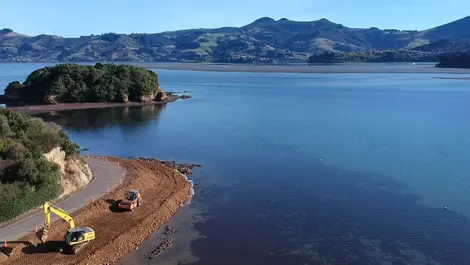
Drone surveying and machine control kept workers off a 70% slope, helping the port slip-remediation finish safely and almost exactly to design.
Poorly written tenders can push up whole-of-life costs, as councils later face rework, weaker skills and more project delays.
Crowdsourced smartphone data could let road agencies spot pothole risks sooner and prioritise repairs on costly networks more cheaply.
Mounting delays and mistakes on Transmission Gully have prompted an urgent independent review to be led by Australian road and rail expert Steve Richards.
Bidders are under pressure to show local benefits, safety gains and clear evidence of capability as major projects become ever more competitive.
The appointment strengthens HERA’s structural systems team as it expands research, training and advice for New Zealand’s steel and metal composites sector.
Funding will still fall short of fixing decades of underinvestment, with experts warning roads and rail need more to meet safety and climate goals.
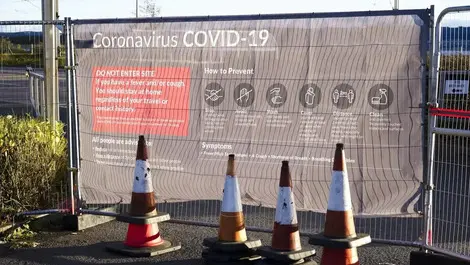
Short-term pain from Covid-19 and delayed projects is being offset by record infrastructure spending, with many contractors still hiring.