Written by Geoff
One in five New Zealand employees face bullying for six months or more, with the fallout spreading to morale, performance and staff turnover.
Inspectors issued enforcement notices in hundreds of cases after noise, chemicals, silica and asbestos emerged as key workplace hazards.
Free occupational health checks will reach about 400 Canterbury rebuild workers as WorkSafe warns of risks from dust, noise and asbestos.
Nearly half of mining safety certificate candidates failed last year as examiners said many lacked the legislative knowledge needed for safe operations.
Disabled New Zealanders could gain wider access to jobs and services if proposed law introduced mandatory minimum accessibility standards.
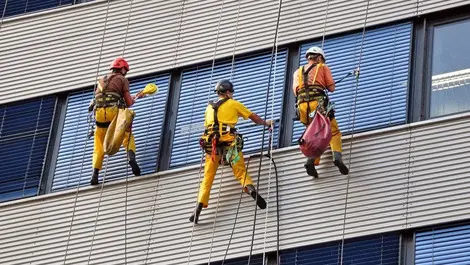
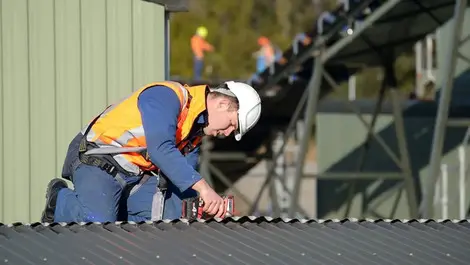
Poor ladder use causes most falls at height in New Zealand workplaces, with many incidents occurring below three metres and injuries often severe.
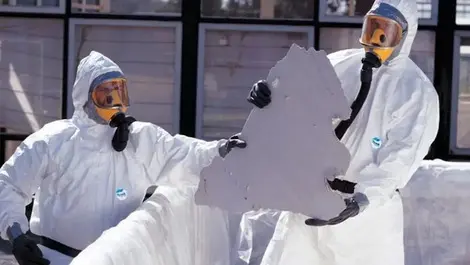
A blood-based test could let Australians with asbestos exposure be diagnosed earlier, as malignant pleural mesothelioma cases keep rising.
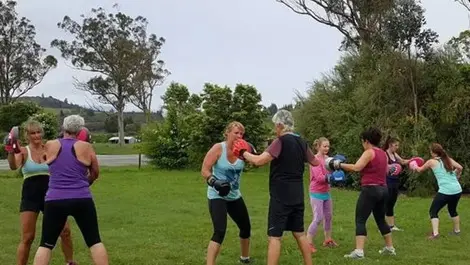
Personalised workouts are in demand as agritech and long hours leave farmers needing support to stay fit, healthy and injury-free.
A builder was left unable to work for a year after a 300 kg bundle of weatherboards fell from height in a timber yard.
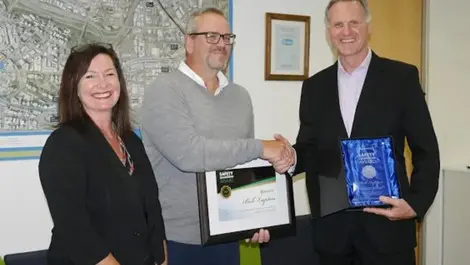
Recognition for a 32-year rail safety career has gone to Robert Lupton, whose work has shaped standards across New Zealand's network.
Customers were exposed to a banned nail glue linked to headaches and skin irritation after an Auckland salon admitted safety breaches and was fined AUD $13,500.
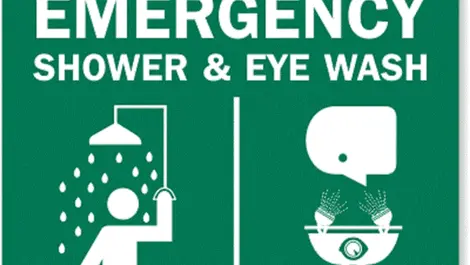
Workers in Arctic and desert sites can now use insulated emergency showers that meet ANSI and OSHA standards in extreme conditions.
Crane operators can cut rope wear and maintenance time with a low-cost replacement that fits almost any small or mid-sized hoist.
Businesses face air, noise and asbestos risks, as the firm’s testing helps them meet regulatory requirements and protect staff.
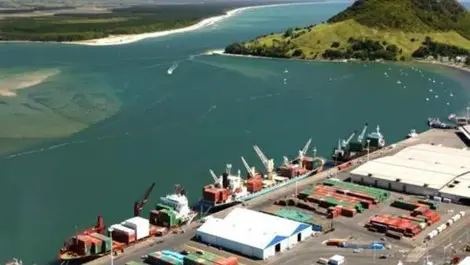
Workers and nearby residents may still be exposed to methyl bromide at several ports, despite a court warning over health and ozone risks.
Workers in oil and gas and wastewater sites can avoid frequent sensor changes and battery charging for two years with the new four-gas detector.
A 99 per cent Sitewise score has set a new national benchmark for contractor safety, boosting confidence among clients and staff.
New Zealand workplaces are being urged to review risks after the holidays, as fatigue, dehydration and poor safety habits can raise injury rates.
Safety improvements in forestry are being driven by new technology, with proven case studies set to feature at March’s Forest Safety Summit.