Written by Geoff
Businesses will face simpler hazardous substances rules as New Zealand shifts workplace controls to WorkSafe under health and safety reform.
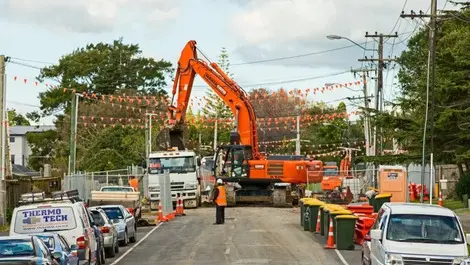
Auckland’s water supply project went 14 months without a recordable incident, after safety measures were adopted across the wider industry.
The new water-based coating reduces stripping and deep scrubbing, cutting chemical exposure while helping floors stay safer and harder-wearing.
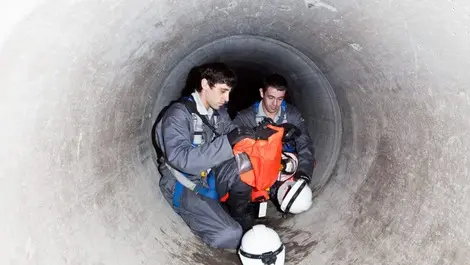
Accident prevention in tanks, silos and manholes could improve as researchers offer a five-step tool to assess confined-space risks.
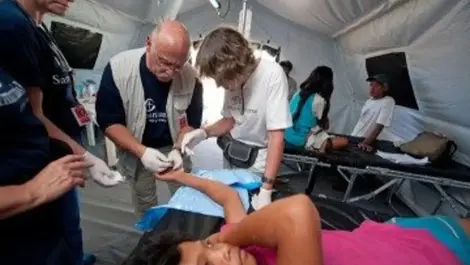
A new guide aims to help doctors and nurses share a common language as disasters push health systems to respond and recover faster.
Dairy farms are missing safety lessons because staff underreport incidents, fear blame and fail to follow up on fixes, researchers found.
New Zealand employers face higher safety and compliance risks as a new app lets lone workers summon help without extra hardware.
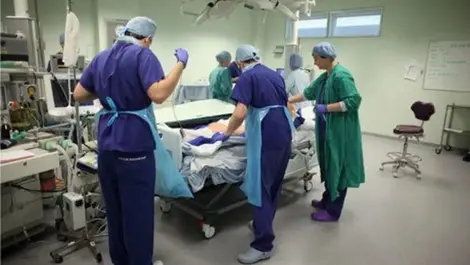
Hospitals could cut costs and avoid cylinder deliveries as on-site PSA units supply constant 95 per cent pure oxygen at the bedside.
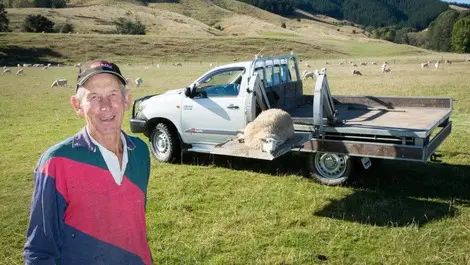
Back injuries during lambing have been cut for a Nelson farmer after a second-hand wheelchair lift let him move ewes without strain.
Only eight of 20 district health boards can guarantee round-the-clock sign language access, leaving deaf patients exposed in emergencies.
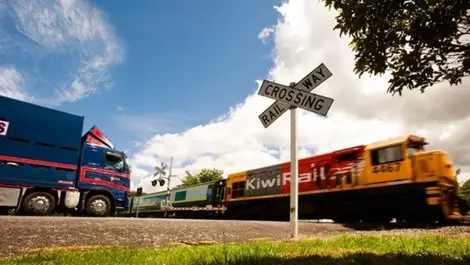
The award boost highlights fresh urgency over pedestrian safety at level crossings as rail incidents rise nationwide.
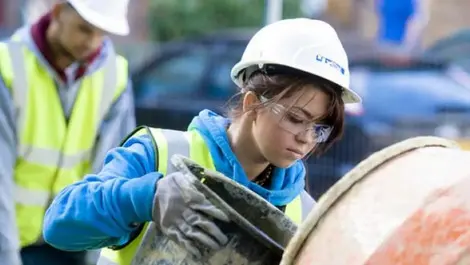
Women in construction will be able to apply for full funding towards a safety certificate, with applications opening on 1 July.
Kiwi businesses should gain a single nationwide supplier of integrated occupational health services as two providers join forces.
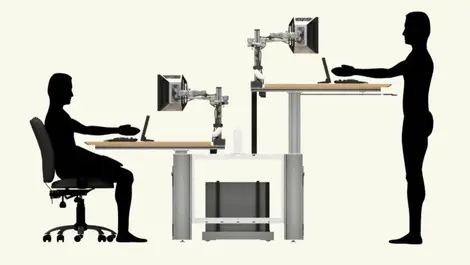
Reduced sitting at work may improve health and productivity, as a New Zealand study finds adjustable desks boost movement without more tiredness.
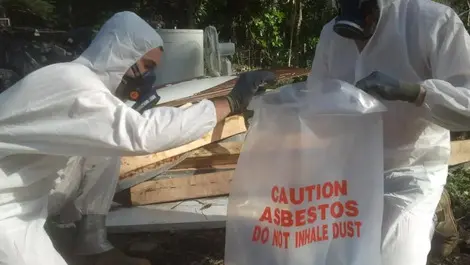
Potential course fees of up to GBP £1,500 loom as WorkSafe consults on training rules for asbestos removal workers.
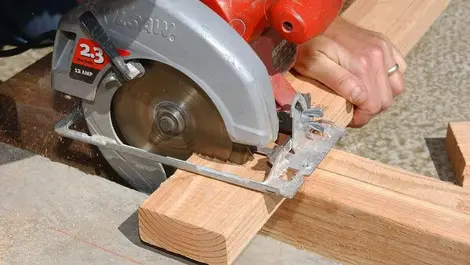
A Christchurch timber supplier has been fined GBP £20,000 after a worker lost two fingers to an unguarded saw blade.
Vibrating tools and repeated hand trauma can cause a rare finger syndrome that may lead to serious injury or amputation if missed.
Workers are more likely to accept organisational change when managers replace top-down messaging with dialogue, empathy and preparation.
More than 21,300 operations have been performed on the bus, which health consultants say prevents up to 300 rural patients a year missing surgery.
Drivers near the Main North Line are being urged to stay alert as maintenance trains resume between Picton and Christchurch after the Kaikōura earthquake.