Written by Geoff
Poor connectivity and patchy health care are leaving 600,000 rural New Zealanders exposed, a health leader says.
Safety and environmental concerns will see methyl bromide captured at Ports of Auckland by year-end, after Green Party pressure.
Workers handling asbestos will need new training units from 4 April 2018, as New Zealand tightens rules to cut exposure risks.
Farmers are being urged to vaccinate herds and control rodents now, as winter conditions raise the risk of leptospirosis spreading to people.
Hundreds of thousands of injured New Zealanders could get better access to support if ACC reforms and a new commissioner are adopted.
A worker was left tetraplegic after a harvester injury, with a horticultural firm and its director fined and ordered to pay GBP £336,000 in reparations.
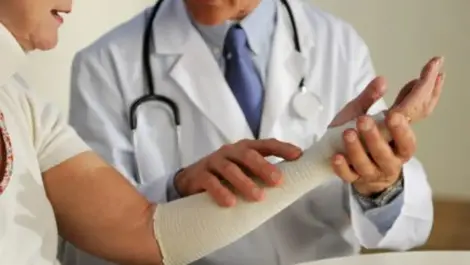
Left untreated, repetitive workplace tasks can trigger debilitating hand pain and tingling, forcing businesses to act on a serious health risk.
Real-time reporting is replacing paperwork on construction sites, giving managers a clearer view of hazards and boosting worker awareness.
Farmers hosting duck shooting or other events face duties to manage hazards for visitors under the Health and Safety at Work Act 2015.
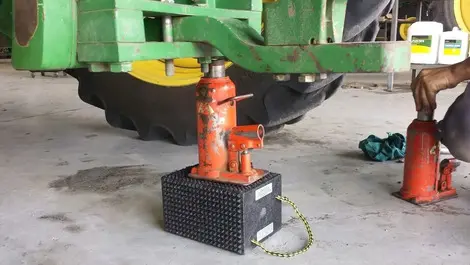
Workers face serious injury risks as random timber blocks used in industry can fail without warning and contaminate wounds.
Childcare providers and schools are being urged to inspect play equipment, after WorkSafe NZ warned ropes and cords can cause fatal strangulation.
Emergency crews will get a more precise mobile caller location in seconds, after New Zealand launched a new 111 tracing system.
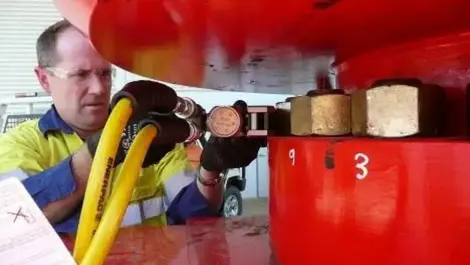
Worksites can reduce hazards and downtime by having torque wrenches, pumps and cylinders serviced, calibrated and safety-checked on site.
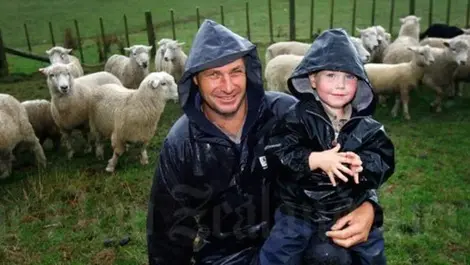
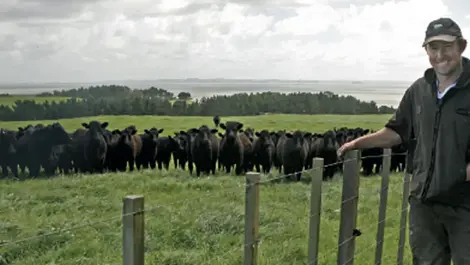
Near misses and clear routines are helping one Kaipara Harbour beef operation cut farm risks, with safety now built into meetings and daily work.
Farmers face tighter limits on quad bike passengers after safety guidance said riders should only do so when no reasonable alternative exists.
New genetic findings suggest rarer melanomas on the hands, feet and internal surfaces are driven by causes other than UV exposure.
Drivers face fewer fines and demerits as a new module helps employers train staff on logbooks, work time and NZTA rule changes.
Meal planning for type 2 diabetes could become easier, as an app now forecasts how specific foods may affect blood sugar levels.
Removal firms face a deadline as current certificates expire before new asbestos licences become mandatory on 4 April 2018.
Exercise can ease stress, lift mood and help with anxiety and depression, while also improving sleep, concentration and memory.