Urban Planning stories
The 361-hectare South Auckland project could add USD $2.3 billion to the economy and house 2,000 people by 2027.
Homeowners could save NZD $18 million a year as councils drop consents for sheds, carports and other low-risk work from August.
Buyers in Auckland’s Belmont are being offered sustainably built terraced homes with electric bikes as New Zealand eases property viewing restrictions.
A slump in private development could let ministers add 9,400 state houses, easing a record waiting list and propping up builders.
Construction jobs and council investment could restart quickly, as Auckland submits 73 infrastructure projects for the Government’s stimulus list.
Remote work, home schooling and digital healthcare could outlast the pandemic, reshaping cities, travel and emissions for years to come.
Lockdown has forced Invercargill Central to push back its planned opening, complicating talks with Farmers and bank financing for the project.
COVID-19-driven revenue losses could force councils to cut infrastructure spending, hurting local economies and slowing recovery.
Online property searches have surged as lockdown restrictions curb listings, while average asking prices in March still rose 5% year on year.
Statistics NZ said smaller standalone houses and more multi-unit builds have pushed the average floor area of new homes down 21% in a decade.
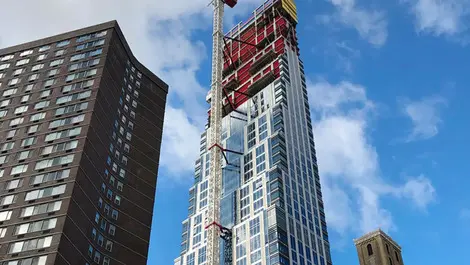
A New York court ruling could force the 52-storey tower to shed top floors, imperilling its priciest apartments and penthouse.
Auckland's housing crisis could deepen if the Drury project fails to deliver affordable homes despite NZD $2.4 billion in transport spending.
Youth, immigrants and urban Maori are most at risk as planners warn New Zealand must better reflect its diverse communities.
Developers can now assess sites in minutes, as new data tools cut weeks from feasibility work and simplify approvals.
Approval of the Orbit plan could see Innisfil grow from 37,000 people to 150,000 while limiting sprawl and preserving farmland.
A new report has reinforced pressure on ministers to back council infrastructure spending, after all eight cities were classed as severely unaffordable.
Auckland's housing recovery is gathering pace, with low rates and tight listings expected to push prices higher in 2020.
Contractors still need project-by-project details, with major transport work due to wind down within 18 months and risking industry capacity gaps.
Researchers say both plans favour congestion relief and global image over health equity, leaving outer suburbs short-changed.
The Waimakariri District Council’s red-zone recovery work has been recognised as best in the Commonwealth for helping rebuild earthquake-hit communities.