Urban Planning stories
Nationwide house prices climbed 1.3% in October as low rates and scarce listings kept demand ahead of supply.
Planning reforms could add GBP £4 billion in annual value and 39,200 jobs, as states weigh faster approvals and clearer rezoning rules.
Auckland’s central city is set to benefit from the $5b City Rail Link, with property values, investment and demand for quality offices holding up.
New planning laws may still fail to fix housing shortages and infrastructure gaps unless councils and agencies get more capacity and funding.
Such partnerships could help regions fund long-term projects, curb political meddling and ease New Zealand’s housing, transport and water strains.
New Zealand’s recovery could stall without fresh spending, as lawyers urge the next government to widen shovel-ready funding and speed reform.
Weak planning, funding and governance are leaving New Zealand unable to deliver the wider public outcomes it now says it wants.
Cities with lower poverty and stronger infrastructure are likelier to attract workers and firms as pandemic-era habits reshape where people live and invest.
Takapuna could gain from a post-lockdown office shuffle as workers seek cheaper space and more home working weighs on Auckland's CBD.
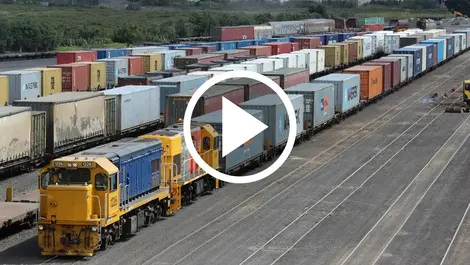
Cheaper freight and fewer truck trips are expected as the terminal links directly to the Port of Melbourne and cuts Monash Freeway congestion.
Lockdowns have boosted support for digital tools, wastewater monitoring and investment as utilities grapple with falling revenues and rising demand.
Tender documents have been issued for two Auckland transport schemes, bringing planned roadworks a step nearer and easing congestion for growing suburbs.
Sweeping planning and infrastructure reforms could speed housing and business land supply, although transport pricing still awaits progress.
Business leaders say the overhaul could speed up planning, cut costs and improve housing and infrastructure delivery, but local councils face uncertainty.
Transport industry groups say decades of stop-start planning could end if National’s $31 billion road and rail programme goes ahead.
The site could draw USD $2 billion to USD $4 billion in logistics investment and ease freight congestion around Palmerston North.
Auckland still faces unresolved transport and housing pressures after Cabinet ended the twin-track light rail process and sent it back to officials.
Global cooperation and heavy state intervention would favour low-carbon infrastructure, while fossil-fuel projects and greenfield builds are marginalised.
Hospitals need GBP £14 billion over the next decade to fix ageing assets and close major infrastructure gaps, the report says.
Regional blocs and national champions could leave infrastructure slower to innovate, more monopolistic and less resilient as climate risks mount.