What real estate agents now have to tell buyers about meth contamination
Wed, 9th Sep 2026
Methamphetamine contamination continues to be a problem for people buying and renting homes, but industry commentators say there are some steps people can take to protect themselves.
New rules for rental properties took effect in April that set a maximum methamphetamine level before decontamination is required, of 15 micrograms per 100 square centimetres.
Tenancies can be terminated if residue levels reach 30.
It followed the 'Gluckman Report' in 2018, which showed that the previous limit of 1.5 micrograms was likely to be too low.
The Real Estate Authority on Monday published new guidance for salespeople, to show them how they were expected to deal with meth contamination.
It said contamination beyond 15 micrograms was a defect that salespeople would need to disclose.
They would be expected to identify any known problems, or concerns that a reasonably competent salesperson would see was likely.
"We sought technical advice on health risks from the New Zealand Institute for Public Health and Forensic Science, which was an important contribution to the review, and we also received constructive feedback on draft guidance from real estate sector representatives," chief executive Belinda Moffat said.
She said the guidance focused on protecting buyers and providing clarity.
"Buying a property is a significant decision, and consumers need access to relevant information to make informed choices about a property including any potential risks.
"While the facts of any specific property's circumstances will require real estate licensees to exercise good judgement, our updated guidance provides them with greater clarity about their responsibilities and helps support a consistent approach across the property sector."
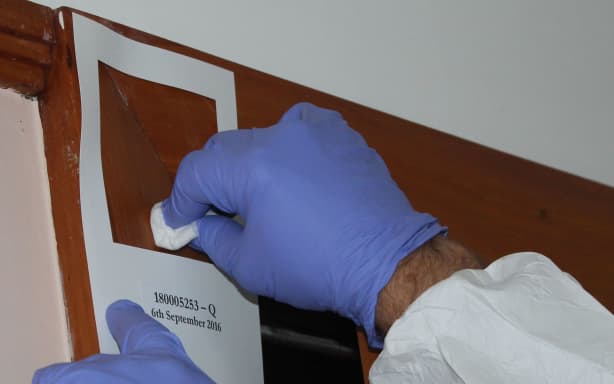
A house is tested for meth contamination. RNZ / Katy Gosset
She said it was likely to remain an important concern for buyers. "We have seen an increase in methamphetamine in wastewater over the last couple of years... it is something that consumers do need to turn their minds to."
She said there had been 12 matters referred to the authority related to methamphetamine in the last three years, and six of those were since September last year.
Moffat said there were some "red flags" that consumers could think about, too. "The guidance we've released is for licensees but it's equally useful to consumers as well... things that people may want to look out for are unusual smells, maybe vapour coming from the windows if they've been living in the area, sealed or covered windows, indications of chemical damage or yellow or brown stains.
"There can be other indicators such as information from neighbours, although we would say it's really important to verify that information.
"And if they've tried to undertake an inspection and there's been a persistent refusal from a tenant who might be in the property not to allow an inspection, that's another flag to look out for."
She said if those issues were identified, buyers, could talk to the real estate salesperson responsible for the sale and ask whether there were problems or whether any testing had been done.
"If they wanted to, they could also ask that getting a toxicology report is a condition of a purchase."

Auckland Property Investors Association general manager Sarina Gibbon. Supplied
Sarina Gibbon, of Tenancy Advisory, said it was still hard for people to understand whether contamination was putting them at risk.
"I'm still getting inquiries from landlords and tenants and property managers around, 'what should we do if we want our home to be 1.5 rather than 15?' Because in their heads, it's a tenfold difference."
She said people had to rely on their best judgements.
She said it seemed likely that the advice for real estate salespeople could end up being transferred to become the expectation for property managers, too.