Gisborne council rejects Toitū Tairāwhiti bid to waive $985,450 in contributions
Thu, 22nd Oct 2026 (Today)
Gisborne district councillors have narrowly voted not to waive nearly $1 million in development contributions for a housing development.
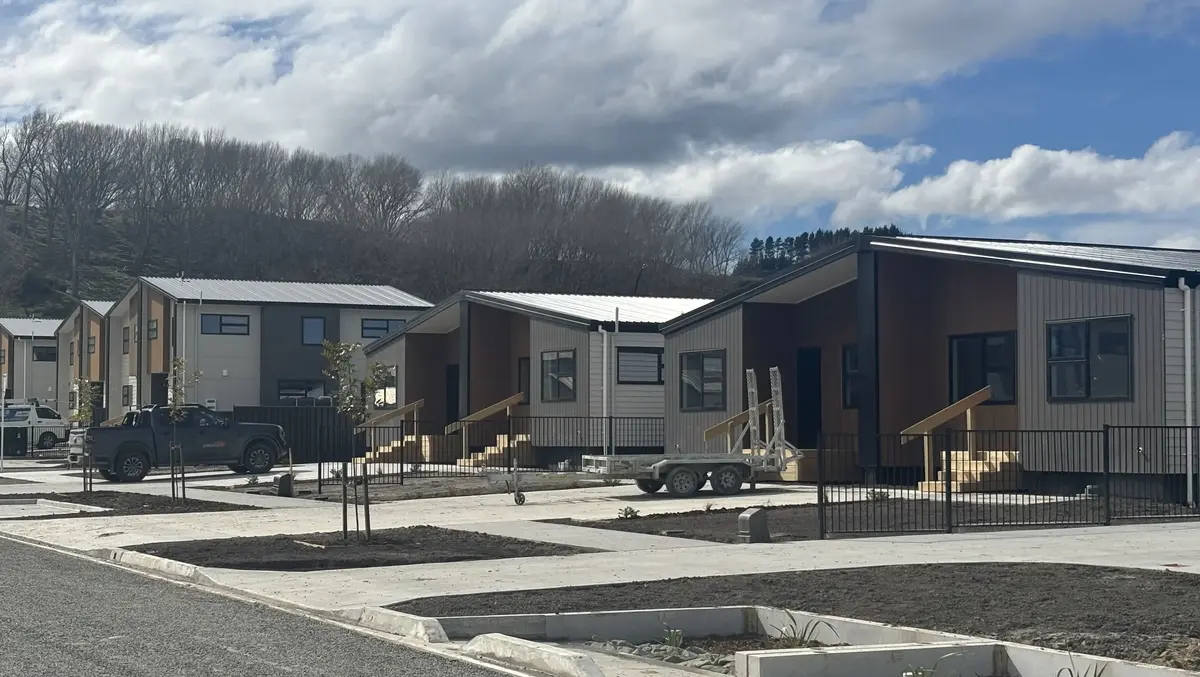
Toitū Tairāwhiti Housing sought remittance this month for development fees on its affordable housing development near Gisborne Hospital.
Development contributions for 79 units at the site, which will boast 150 homes when complete, were $985,450, according to a council report.
The report said this figure would be 47% of the council's total revenue from development contributions in the 2026/27 financial year.
The report noted the contributions had been correctly assessed and infrastructure provided as part of the development did not justify reducing the liability.
At a previous meeting, representatives of Toitū Tairāwhiti told councillors the costs would require additional borrowing, affecting affordability and delivery of the remaining homes.
Councillors considered whether to entirely waive the fees, provide a discretionary grant or decline the request.
Only $11,300 remains in the council's remission fund for the year.
The council agreed to a $10,000 grant, equivalent to 7.6% of development contributions, for Te Rūnanganui o Ngāti Porou's Te Tini o Porou development in 2019.
Staff sought clarification on the not-for-profit status of Toitū Tairāwhiti Housing, and whether units would be rented or rent-to-buy.
Councillor Debbie Gregory asked if contribution requirements had been made clear at the start of the process.
Strategic planning manager Charlotte Knight said contributions were generally assessed at the resource or building consent stages.
Gregory said the Government had provided about $49 million towards the development and waiving the contributions could set a precedent for council-funded infrastructure costs.
However, she proposed matching the 7.6% grant provided to the Ngāti Porou development.
Councillor Teddy Thompson said other developments, including Kāinga Ora projects, had to pay contributions and waiving them would shift costs to ratepayers.
He supported matching the $10,000 grant made to Ngāti Porou.
Councillor Sam Gibson said the council had never indicated the contributions would be waived and he saw there was no public support for doing so when engaging with the community through social media.
The council needed to consider what else might need remission support for the rest of the year, he said.
Councillor Rob Telfer said the remission fund was intended for people whose circumstances had changed, which he believed did not apply in this case.
Cr Rawinia Parata said it was a tough decision, but waiving the contribution would pass the cost on to ratepayers.
"And considering everything the region ... has been through, we can't ask them to carry more. I don't think it's fair to our population, even though [in] my heart I would love to."
The council was not against development or providing a home for whānau, but it could not afford to waive the costs, she said.
"Maybe one day there'll be a council that does have this money, and it'll just be sitting there, but we're not that council right now."
She supported Thompson's sentiment of contribution.
Cr Anne Huriwai said iwi were not developers, but were trying to address a significant housing need.
"I do hope that we are able to contribute something because they are meeting a huge need in Gisborne, a huge need that Government is not fulfilling."
Cr Nick Tupara said supporting the project would improve wellbeing and quality of life for whānau who might otherwise be without a home.
The council should view the assistance as an investment in community wellbeing, rather than simply a contribution to a housing development, he said.
"It is addressing the poverty. It is being front-on to say we care about our levels of deprivation and we will do all that we can in what we can. And if that sets a precedent for community, then let that be that."
Cr Rhonda Tibble urged councillors to consider the historic and ongoing need for Māori housing, saying the decision sent a message about their willingness to support whānau experiencing deprivation.
Mayor Rehette Stoltz said the issue was complex, with councillors balancing community needs against the council's financial position. She supported contributing the remaining $11,300 in the remission fund.
Three options were voted on: declining assistance, waiving $11,300 or providing a further grant of about $75,000 (equivalent to 7.6% of development contributions).
None secured sufficient support.
The substantive motion to decline the request, moved by Gibson and seconded by Cr Alexandra Boros, was voted on again.
Crs Colin Alder, Telfer, Boros, Thompson, Gregory and Stoltz voted in favour the second time.
Crs Huriwai, Jeremy Muir, Parata, Tibble and Tupara voted against.
Cr Larry Foster and deputy mayor Aubrey Ria were absent.
Toitū Tairāwhiti representative Willie Te Aho told Local Democracy Reporting the organisation was disappointed with the council's process and decision.
"[Toitū Tairāwhiti Housing Limited] now has no choice but to borrow funding to meet this cost and seek the payment of this cost from tenants," he said.
This could mean the homes were no longer affordable for tenants, which was "more than unfortunate", he said.
"It is another thoughtless attack on those who are already struggling with high fuel, energy and food costs."
Te Aho said the organisation had approached multiple central and local government agencies, but would now need to borrow money to pay the contributions.
The decision would prompt a rethink of housing provision in the region and drive calls for legislation or elected representatives more supportive of affordable housing delivered by not-for-profit organisations, he said.