
How much beneficiaries are left with after paying the rent
Mon, 14th Sep 2026 (Today)
Beneficiaries are living on an average of $251 a week once they've covered their housing costs, a government report shows.
A budgeting advisor says her clients are not getting by, and every day someone seeks help with KiwiSaver hardship withdrawals to cover the basics.
The Ministry of Social Development's total incomes report showed inflation-adjusted average incomes to April last year continued to drop, from $262 in 2024 and $263 in 2023.
The average spanned from $216 for single people, to $824 for bigger families.
Overall, incomes after housing costs were higher in 2025 in real terms than they were at the end of 2019, however they have remained "relatively flat" since 2022, the report said.
Rent or mortgage payments chewed up an average of 48 percent of beneficiaries' incomes, it showed.
Before housing costs, beneficiaries' average income was $486 a week - down from $492 the year prior.

A full-time worker on minimum wage who made minimum KiwiSaver contributions would have earned $750.96 each week after tax, during the same period.
Using KiwiSaver to cover essentials
Porirua Whānau Centre budgeting advisor Christine Tawhara said she had never gone through a beneficiary's budget and found a surplus.
RNZ asked how her clients were getting by.
"They're not," she said. "There's real stress, and their anxiety levels are quite high."
Every day her clients sought help with KiwiSaver hardship withdrawals, Tawhara said.
"That'll give them some money to catch up on debts, catch up on rent, catch up on their power bill, buy a... shopping trolley full of food, but that's only a temporary fix, it's almost like a sticking plaster," she said.
"I can see them two or three times a year, they come back for a KiwiSaver withdrawal."
They also put many essentials like petrol on buy now, pay later schemes like Afterpay to spread costs, Tawhara said.
Often, given all possible costs had been cut, there was not much the Whānau Centre could do, she said.
"We do the kai box on a Tuesday, but if they've run out of kai on, say, Thursday and they've got no money, because normally their paydays are Tuesday and Wednesday, there's just nothing," she said.
"My brain's just ticking over all the time, like, how can I help, how can I help?"
Tawhara did not believe increasing benefits would help much, given continually rising costs.
Govt striving for higher quality of life - minister
Social Development Minister Louise Upston said the Government was focused on growing the economy to boost jobs and incomes.
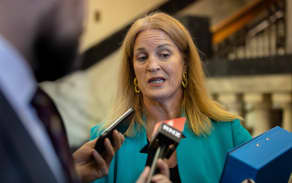
"Work in paid employment is the best opportunity for people to achieve social and economic well-being," she said.
"We accept that the job market is a challenging one, and the welfare system provides assistance for those who have not yet found work."
There was more work to do, Upston said.
"But Government has made good headway despite global headwinds and a challenging fiscal environment that has been influenced by a period of high government spending."
The government's changes to housing supports would reduce the gap between the cost of private and social housing, Upston said.
The upcoming social housing shake-up would increase support for some families and leave others worse off.