Wellington City Council stories
Projects saving time, money and emissions were among eight winners at the 2021 IPWEA NZ Asset Management Excellence Awards.
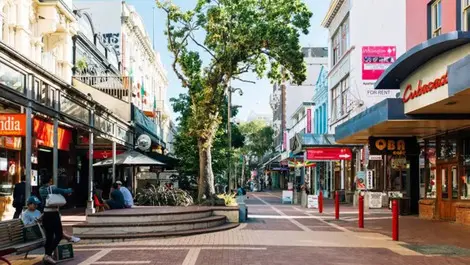
Retail and hospitality firms in Wellington will get relief from fees, parking charges and rates as the city seeks to cushion Omicron losses.
The capital will use a US$1 million grant to expand its Digital Twin, helping planners test climate adaptation options over three years.
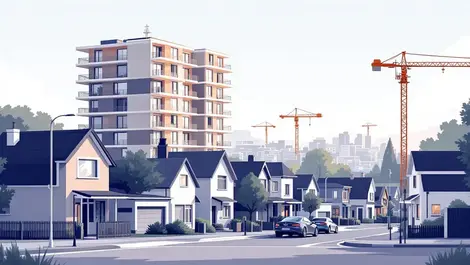
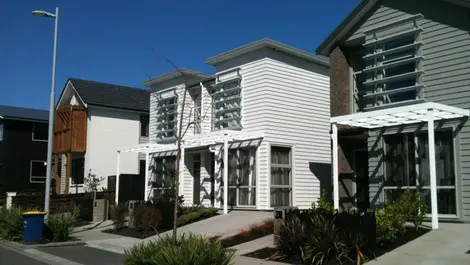
The bill could unlock up to 105,500 extra homes in major cities by letting most sites add three storeys without resource consents.
Residents will face a 13.5% rates rise as the council backs billions for water, housing, cycleways and library repairs over a decade.
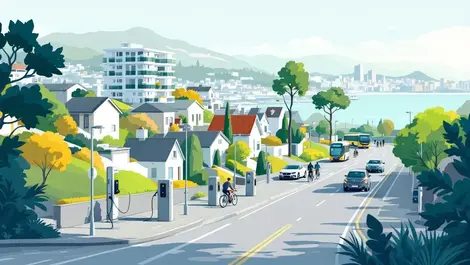
Wellington has cut net emissions by 7% in 20 years despite 26% growth, as EV chargers and car share schemes reshape transport.
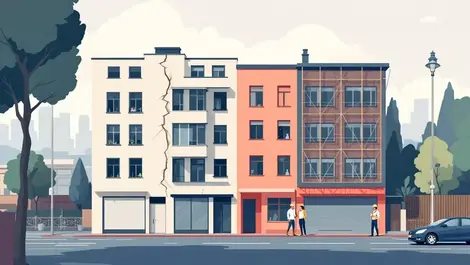
Owners of unsafe buildings can face deadlines of 7.5 or 15 years to strengthen or demolish them, with council support available.
Up to 30 percent of Wellington’s drinking water is lost to leaks, prompting a unanimous council push for urgent infrastructure upgrades.
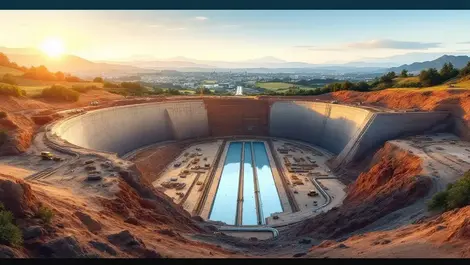
Residents could soon have 48 hours’ water supply in an earthquake as work starts on a GBP £68 million Wellington reservoir.
Following a growing global trend, New Zealand-owned electric scooter share company Flamingo is launching in the capital June 18.
Wellington commuters may still face years of delays, as rapid transit to the airport is not expected before 2029 under the $6.4 billion plan.
The Zero Carbon Challenge is a programme bringing together business, social enterprise, and local government to promote the low carbon economy.
New Zealand startup Mevo and Wellington City Council debut Australasia's first free-floating car share trial. Audi e-trons are now a flexible transport option.
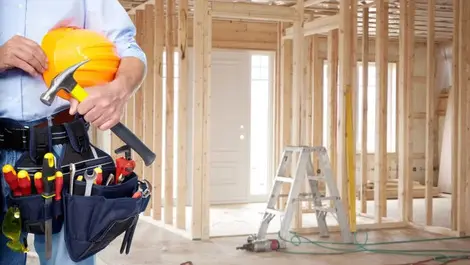
More than 20 councils joining GoShift could cut delays and costs for builders, developers and homeowners across New Zealand.
Six eco-pioneers vie for £45k fund in Wellington's Low Carbon Challenge, promoting sustainable surf boards, biofuel, and more.
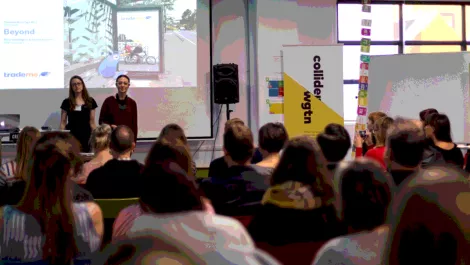
Collider drives innovation and business growth in the capital through a range of learning and business development initiatives.
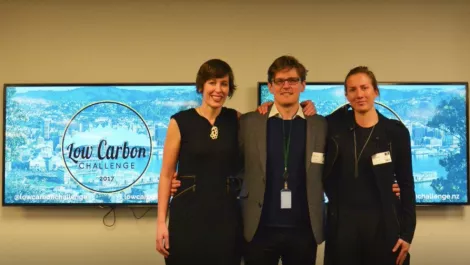
The Low Carbon Challenge has officially launched in Wellington, the challenge will support six teams to grow their low carbon projects...
Safer streets and lower running costs are among the gains researchers say connected sensors could bring to New Zealand's urban centres.
Each extra hour of direct sunlight a house receives daily can lift its market value by 2.4 per cent, a New Zealand study finds.
Telensa to deploy its PLANet intelligent street lighting system for Wellington City Council, with completion expected by June 2018.