Reserve Bank of New Zealand (RBNZ) stories

Tight listings and lower bank serviceability tests are helping to lift New Zealand house values, with Auckland appearing to have bottomed out.
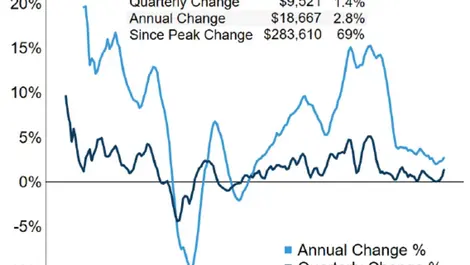
Nationwide house values rose 0.4% in October, as easing lending tests drew buyers back and lifted annual growth to 2.8%.
House price growth is expected to remain modest as easing lending conditions and strong migration support demand, but listings stay tight.
Many first-home buyers will still be shut out by income and price caps, leaving family loans and deposits crucial to getting on the ladder.
Looser deposit rules and bigger grants could help tenants buy sooner as Government-backed schemes are made more accessible.
Borrowers and savers face a shift as New Zealand rates fall, prompting calls to move cash into productive assets rather than bank deposits.
Whether it's cryptocurrency salaries or a central digital currency, no agency is quite sure how to tackle this upcoming payment trend.
Investor buying climbed to 25% of New Zealand property purchases in July, the highest share since late 2016, CoreLogic said.
OneHQ warns SMEs to be cautious about using family homes as collateral for loans, despite cheaper interest rates and a struggling banking system.
Widening the KiwiSaver HomeStart grants could help more first-home buyers bridge soaring deposits as rents climb and rates stay low.
Auckland’s more permissive zoning is helping ease prices, widen lending and give first-time buyers a better shot at home ownership.
Borrowers could see lower mortgage rates after the Reserve Bank cut the official cash rate to 1.5% and hinted at another fall this year.
Auckland’s weakness is masking stronger gains elsewhere, with provincial house values rising 8.2% over the year and interest rates low.
Auckland's weaker market is likely to drag on national property sales, even as CoreLogic sees New Zealand prices edging up about 3% this year.
Low mortgage rates should keep property demand supported after the Reserve Bank left the official cash rate unchanged again, though risks remain.
Building consents must stay high if New Zealand is to make a dent in its housing shortfall, with the industry already running at full tilt.
Low interest rates and looser lending are expected to cushion New Zealand property values, with first-home buyers set to gain most.
A Law Foundation-backed report says faster regulation could help New Zealand avoid missing out on blockchain jobs, trade and tax benefits.
Fewer premium floors and stronger demand are set to keep Auckland office rents rising until new supply arrives in 2020.
Reserve Bank says it won't issue a digital currency for now, but may do so in the future, as digital payments and cryptocurrencies grow in popularity.