New Zealand Labour Party stories
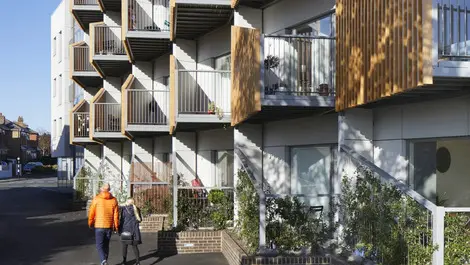
A Houston-style street vote could let homeowners opt out locally, easing resistance to higher-density housing rules across New Zealand.
Transport critics say National's road-heavy plan revives costly schemes, with old estimates leaving a multibillion-pound funding gap.
Auckland Council says it was blindsided as Kāinga Ora weighs taking over planning for suburbs on the light rail corridor, overriding local plans.
The policy is set to cost taxpayers GBP £175 million a year, while experts warn the wider GBP £2.3 billion health package may still fall short.
Around 222,900 workers will see higher pay from Friday as New Zealand’s minimum wage rises to NZD $22.70 an hour.
Property Council New Zealand says the changes could unlock thousands of rental homes as National seeks to attract more investor capital.
Struggling councils would likely face heavier rates or extra borrowing under National’s plan, as water upgrades remain badly underfunded.
Uncertainty over tax and housing policy could briefly slow residential sales, though commercial activity is likely to stay driven by rates and inflation.
New Zealand home values fell for a 10th straight month in January, leaving prices 7.2% below a year ago and raising further downside risks.
Aucklanders could gain a faster, more connected transport network if the government and council back a billion-dollar light rail plan.
The bill could unlock up to 105,500 extra homes in major cities by letting most sites add three storeys without resource consents.
Critics warn the draft overhaul could leave consenting slower and housebuilding harder, despite ministers promising a leaner planning regime.
Other transport projects are being shelved nationwide as Auckland gets a $685m standalone bridge for cyclists and pedestrians.
The revived plan could ease congestion and cut emissions, but only if planners avoid the delays and cost overruns that sank Sydney’s project.
Tenants will gain stronger eviction protections and annual rent caps, but landlords warn the new law could shrink supply and lift rents.
Investor activity may stay buoyant through the 2020 election, with Colliers saying housing policy shifts have usually had only a limited effect.
New Zealand’s wage subsidy extension and infrastructure spending are meant to blunt soaring unemployment as the economy heads into recession.
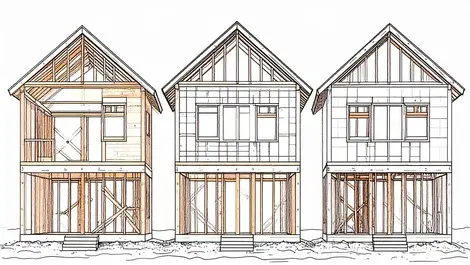
Demand for affordable Auckland townhouses is squeezing supply, as first-home buyers snap up projects off the plans before building begins.
Auckland faces a 50,000-home shortfall as Infrastructure New Zealand warns the urban growth plan must avoid political stand-off to work.
National Party's broad, varied Facebook campaign may have contributed to their election loss, says digital marketing expert.