Inflation stories
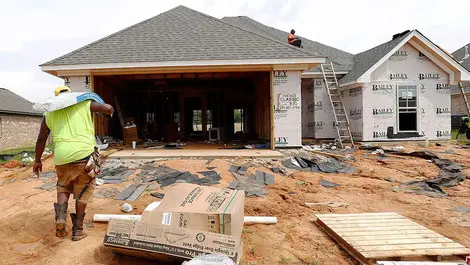
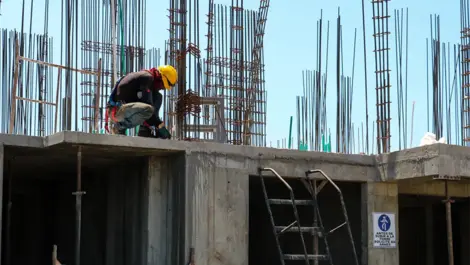
Materials shortages and labour pressures have pushed CoreLogic’s residential construction index to its steepest annual rise since late 2012.
Demand is still holding up this winter, with first-home buyers helped by easier deposit rules and lending changes despite softer sales.
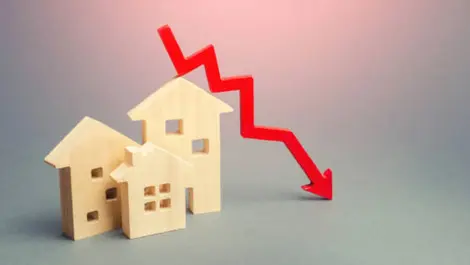
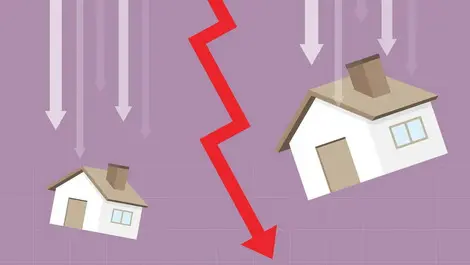
Higher mortgage costs and tighter lending are set to keep house prices under pressure, with June marking a third straight monthly fall.
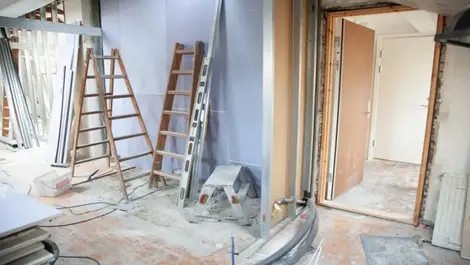
Renovation spending has surged to its highest level since 2019, with New Zealand homeowners budgeting more despite rising material costs.
Infrastructure contracts face renewed strain as soaring energy and materials prices push costs well above general inflation, prompting calls to renegotiate terms.
The city was the only New Zealand region to post an annual fall, with sales also down 38.3% as buyers paused amid higher rates.
Tighter, costlier credit is set to deepen New Zealand's housing downturn, with CoreLogic warning of more price falls and weaker sales.
Borrowers face higher mortgage costs and further house price weakness as the Reserve Bank signals the OCR may peak around 4% by mid-2023.
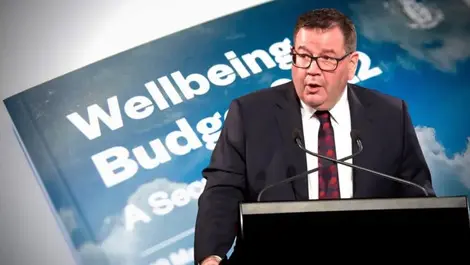
More funding in Budget 2022 will not close New Zealand’s $210 billion infrastructure gap, with workers and costs still straining delivery.
West Coast and Canterbury are still posting strong gains, but a surge in listings and weaker demand is cooling prices nationwide.
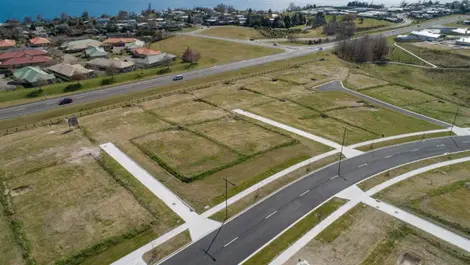
Higher building costs and rates rises are set to force developers to shelve projects, threatening new home supply and affordability.
Tighter credit and higher rates are leaving first home buyers more exposed, with some regions now showing early signs of vulnerability.
Vacancy rates are easing, but the shift to prime offices and hybrid work will keep reshaping property demand well beyond 2022.
Businesses are turning to automation as record-low unemployment and isolation risks worsen staff shortages and wage pressures across New Zealand.
New Zealand’s office, retail and industrial markets are expected to mirror Australia as Omicron peaks and border openings reshape demand.
Rising material costs and supply chain disruption are forcing builders to rethink budgeting, with digital tools increasingly filling the gap.
Mortgage activity has slumped as tighter lending and higher rates cool demand, with CoreLogic warning house prices may fall further.
Higher borrowing costs are cooling sales and slowing price growth, with more than half of NZ mortgages set to reset this year.
As Australia accelerates its digital economy and Australians head for the polls, one word is central: productivity.
Gartner has projected a total Australian IT spend of AU$117.2 billion in 2022 in its latest forecast, increasing by 13.1% from 2021.