Housing stories
New Zealand’s recovery could stall without fresh spending, as lawyers urge the next government to widen shovel-ready funding and speed reform.
Householders could cut power bills sharply as lenders and developers back solar, batteries and greener builds to meet demand for lower-emission homes.
Homeowners could save time and money as building consents are dropped for some small structures, from sheds and carports to solar arrays.
The 361-hectare South Auckland project could add USD $2.3 billion to the economy and house 2,000 people by 2027.
A slump in private development could let ministers add 9,400 state houses, easing a record waiting list and propping up builders.
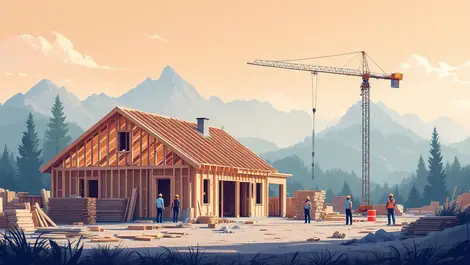
Construction firms now have detailed COVID-19 rules to resume work under Alert Level 3, aiming to protect workers and avoid a return to lockdown.
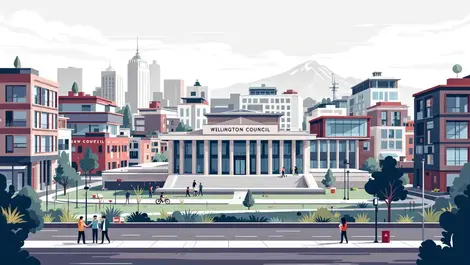
COVID-19-driven revenue losses could force councils to cut infrastructure spending, hurting local economies and slowing recovery.
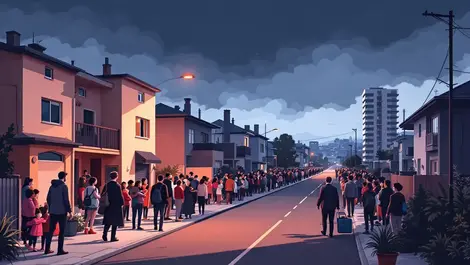
Tenants face a temporary freeze on rent rises and evictions as New Zealand's four-week COVID-19 lockdown halts viewings and house moves.
Billions in COVID-19 spending could be used to unlock projects, create jobs and speed New Zealand’s economic recovery, Infrastructure NZ says.
Statistics NZ said smaller standalone houses and more multi-unit builds have pushed the average floor area of new homes down 21% in a decade.
Auckland's housing crisis could deepen if the Drury project fails to deliver affordable homes despite NZD $2.4 billion in transport spending.
Youth, immigrants and urban Maori are most at risk as planners warn New Zealand must better reflect its diverse communities.
Businesses facing coronavirus disruption can now find daily-updated government guidance on tax, travel, staffing and workplace safety.
A new report has reinforced pressure on ministers to back council infrastructure spending, after all eight cities were classed as severely unaffordable.
Contractors still need project-by-project details, with major transport work due to wind down within 18 months and risking industry capacity gaps.
Tight housing supply and surging demand are pushing Dunedin values up 17% a year, with buyers still outpacing new listings.
Researchers say both plans favour congestion relief and global image over health equity, leaving outer suburbs short-changed.
Sixty-one terraced homes in Manukau will be priced from GBP £289,000, as the project packages whiteware, landscaping and parking.
Poor housing could be costing New Zealand health services almost USD $8 million a year, with under-twos especially at risk.
Many first-home buyers will still be shut out by income and price caps, leaving family loans and deposits crucial to getting on the ladder.