

Transpower eyes lower South Island grid upgrade plan
Fri, 27th Nov 2026 (Today)
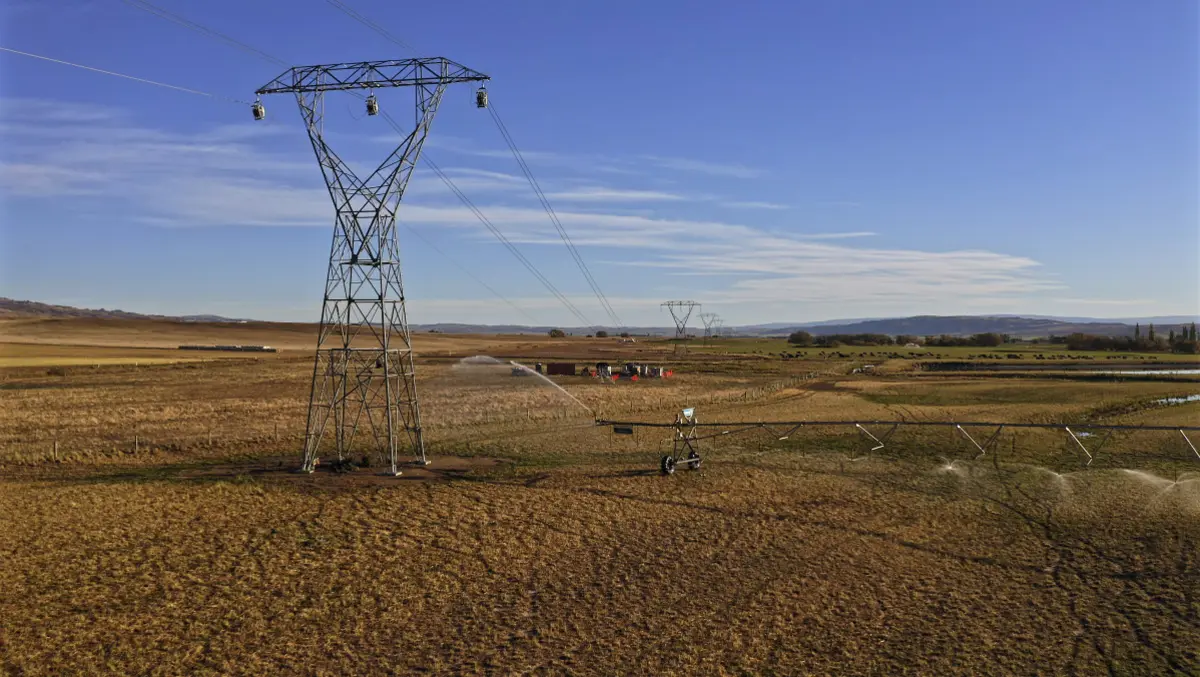
Transpower has opened consultation on possible new investment in the lower South Island electricity transmission grid, marking the next stage of planning for a region where both electricity demand and renewable generation are rising.
The consultation covers a long list of potential projects across an area from Bluff to Twizel, including Dunedin, Invercargill, Queenstown, Wānaka and Cromwell. Options include upgrades to existing assets, new transmission infrastructure, non-transmission measures such as large batteries, or a combination of these.
The state-owned grid operator wants more information from businesses and developers about projects that may need electricity capacity or new grid connections. It is trying to assess the pace and timing of future investment as industrial electrification, proposed data infrastructure and renewable generation projects gather momentum in the region.
Matt Webb, Executive General Manager of Grid Development at Transpower, said the company was seeing a shift after a long period of modest growth in electricity demand.
"Electricity demand growth has been relatively slow in the last ten to 15 years across the country, but we are now starting to see planned generation and increased demand for electricity ramp up, particularly in the lower South Island," Webb said.
He pointed to several developments that could lift demand, including planned expansion at Tiwai Point, Datagrid's proposed data centre, increased food and fertiliser production, and industrial users switching from fossil fuels to electricity.
At the same time, the region is attracting renewable energy development, with more than 2,500MW of solar, wind and battery projects currently under investigation or being built across the lower South Island.
Earlier spending
The consultation follows a series of recent investments in the region's network. In 2022, Transpower completed the Clutha Upper Waitaki Lines Project at a cost of $197 million, almost doubling transfer capacity between the Clutha and Upper Waitaki valleys from about 600MW to around 1,100MW.
Since then, it has spent another $24.4 million on 36 projects aimed at improving reliability of supply in the lower South Island. More than $40 million of additional work is under way, including an upgrade to the line between Invercargill and North Makarewa to increase transfer capacity through that part of the network.
The current exercise is the first formal step for major transmission projects costing more than $30 million. Such proposals must go through Transpower's Major Capex Proposal framework before being submitted to the Commerce Commission for approval.
Growth signals
The lower South Island plays a distinctive role in New Zealand's electricity system. It is home to New Zealand Aluminium Smelter at Tiwai Point, the country's largest electricity consumer, and includes fast-growing tourism centres and rural service towns whose power needs are changing as transport, heating and industrial processes electrify.
For the grid operator, the challenge is to balance readiness for new demand against the risk of building too much too early. Large transmission assets require long lead times and significant spending, while some proposed industrial and generation projects may still be several years away.
Webb said early visibility of those plans would help shape a more cost-effective investment programme.
The work also ties into Te Kanapu, Transpower's planned Grid Blueprint for the national electricity grid. That broader programme is intended to map where grid expansion and upgrades over the next 25 years are expected to deliver national benefits.
"The lower South Island is recognised in the Grid Blueprint as a key area of economic growth and a region where a significant increase in electricity demand and new generation is expected," Webb said.