

New Zealand property resale losses hit 14-year high
Thu, 12th Nov 2026 (Today)
New Zealand property resale losses reached a 14-year high in the third quarter, with 15.8% of homes selling for less than their previous purchase price, according to Cotality NZ.
That meant 84.2% of residential properties were resold for a gross profit, although the share of loss-making sales rose to its highest level since the third quarter of 2012.
Time held remained a clear dividing line between profitable and loss-making sales. Properties resold at a loss had been owned for a median of 4.5 years, compared with 10.4 years for homes sold at a gain.
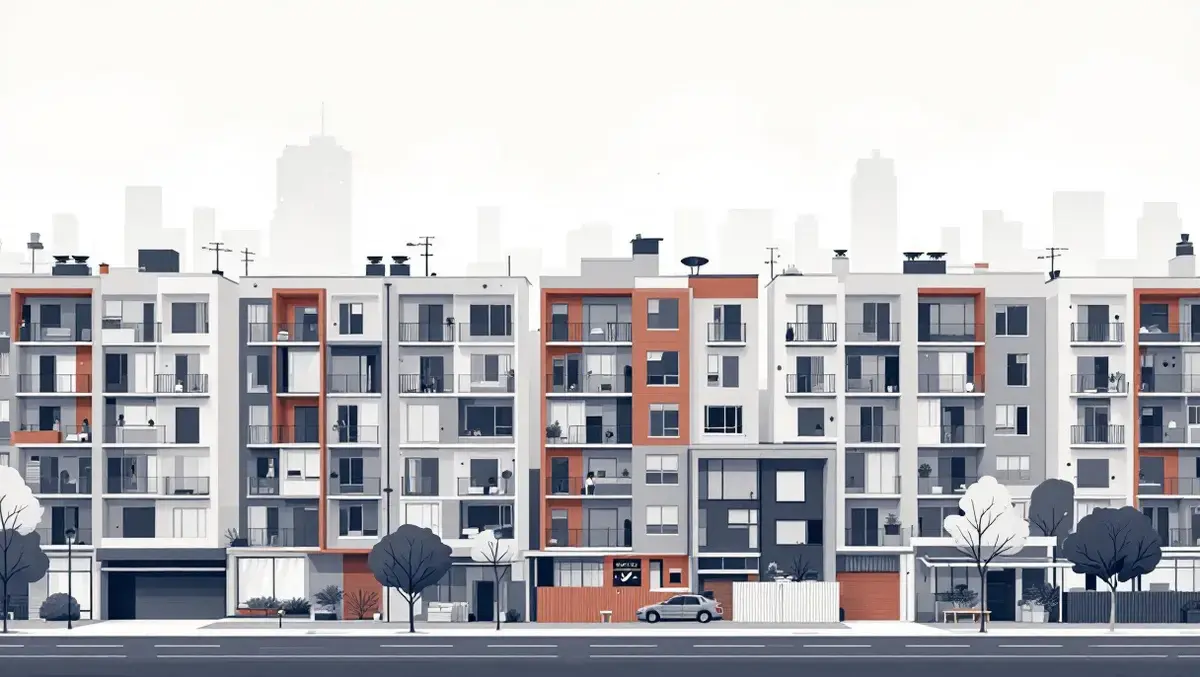
The data also showed sharp differences by property type. Almost half of apartments resold in the quarter changed hands for less than their previous purchase price, compared with 22.5% of townhouses and 13.4% of standalone houses.
Even so, apartments made up a relatively small share of the market. The national median gain across all resales remained NZD $270,000, while the median loss was NZD $60,000.
Kelvin Davidson, Chief Property Economist at Cotality NZ, said recent buyers had generally been more exposed to weaker market conditions.
"Most buyers would not have purchased with the intention of selling again so soon, but circumstances might have worked against them, such as a family or job change, or financial strain brought on by previously sharp rises in mortgage rates," Davidson said.
Apartment losses
Apartments recorded the weakest resale outcomes among the main property categories. Even so, their median hold periods suggested owners were not exiting the segment any faster than before.
The median loss on apartments was about NZD $60,000, matching the figure for houses. That suggests the apartment market stood out more for the frequency of loss-making resales than for the size of losses when they occurred.
"The apartment market has faced a sustained soft patch during the past four to five years, but the typical loss is not materially different from other property types. The median loss on apartments was around $60,000, the same as houses," Davidson said.
He added that the percentage of apartment resales made at a loss was inflated to some extent by the drop in the overall number of transactions.
"It's also just a sign of the times. Apartments tend to deliver less price growth than other property types over time, so are always a little more vulnerable to losses," Davidson said.
Regional divide
Auckland and Wellington posted the weakest resale performance among the main centres. In Auckland, 25.5% of properties were resold at a loss, followed by Wellington at 20.4% and Hamilton at 19.1%.
Tauranga recorded a loss rate of 15.3%, while Christchurch and Dunedin were lower at 7.5% and 6.9% respectively. The pattern suggests the larger, more supply-sensitive urban markets have come under greater pressure than parts of the South Island.
Median losses were highest in Auckland and Wellington, at NZD $89,000 and NZD $78,000 respectively, both above the national median loss of NZD $60,000. At the same time, median gains in those cities remained substantial, at NZD $341,000 in Auckland and NZD $326,000 in Wellington.
Those figures suggest weaker resale conditions have not erased the gains built up by many longer-term owners. They also show how the market has split between households that bought before the downturn and those that entered closer to the peak.
"Population falls and economic uncertainty have weighed on Wellington, while Auckland has seen a steady rise in housing supply. The relative weakness of apartments has also affected both markets," Davidson said.
Profit still dominant
Across all third-quarter resales, gross gains totalled NZD $3.6 billion, compared with NZD $179 million in gross losses. That gap underlines the extent to which profitable sales still outweighed distressed outcomes, even with loss-making transactions at a multi-year high.
Davidson said the weakening in resale conditions had been gradual rather than sudden. The share of profitable resales has retreated over several years instead of dropping sharply over a short period.
"The share of profitable resales has taken four to five years to ease from around 99% at the peak to 84.2% now. During the GFC, it fell much faster, from about 98% in mid-2007 to around 80% by early 2009," Davidson said.
"Overall, the latest figures are not a sign of a fresh collapse. Instead, they reflect the large falls in property values already seen, with more sellers progressively just having to make a deal in softer market conditions as each quarter passes," he said.